
If you’re searching for practical ways to build strength, improve endurance, and make your workouts more efficient, you’re in the right place. This article is designed to break down proven fitness principles—from Momentum Moments that keep you consistent to Zlase Fitness Fundamentals that strengthen your foundation—so you can train smarter, not longer.
Many people struggle with plateaus, inconsistent routines, or workouts that don’t translate into real-world strength. Here, you’ll find clear guidance on Precision Strength Protocols, sustainable Sudenzlase Wellness Routines, and simple Daily Fitness Efficiency Hacks that maximize results without overcomplicating your schedule. We also highlight the importance of active recovery strategies to help your body rebuild, prevent injury, and maintain long-term performance.
Our insights are grounded in performance-based training principles, evidence-informed fitness methods, and real-world application. The goal is simple: give you structured, actionable strategies that align with your fitness goals and help you see measurable progress faster.
Beyond Rest: The Power of Active Recuperation
I used to treat rest days as sacred couch time. Big mistake. Complete inactivity left me stiff, sore, and slower the next session. Research shows light movement boosts circulation and reduces delayed onset muscle soreness (DOMS) (American Council on Exercise). When I swapped total rest for active recovery strategies, everything changed.
• Gentle cycling to increase blood flow
• Mobility drills to ease tight joints
Some argue rest must mean zero movement. I learned the hard way that smart motion heals faster. Pro tip: keep intensity under 50 percent effort. Your body prefers circulation Daily.
The Fundamentals of Smart Recovery
Most people treat recovery as either doing nothing or doing another workout. But smart recovery lives in the middle.
Here’s the physiology. After intense training, your muscles accumulate metabolic byproducts like lactate (a compound produced during hard efforts). Light movement increases blood flow, which enhances nutrient delivery and helps clear that waste more efficiently (think of it as taking out the trash before it starts to smell).
A vs. B Scenario:
- A: Light Workout — You push through mild fatigue, heart rate elevated, effort around 6–7/10. You’re still creating stress.
- B: Active Recovery Session — Effort stays at 3–4/10, breathing relaxed, conversation easy. The goal isn’t performance; it’s circulation and restoration.
Some argue full rest is superior. And yes, total rest has its place—especially after maximal effort. But strategic movement often reduces stiffness and speeds perceived recovery (American Council on Exercise).
This is where adaptation happens. Training creates the stimulus; recovery builds the result. Without balance, you’re just accumulating fatigue.
To apply active recovery strategies effectively, listen to your body. Lingering soreness? Choose 20–30 minutes of low-intensity cycling or walking. Heavy legs but good energy? Try mobility flow.
Pro tip: If you can’t hold a casual conversation, it’s not recovery. It’s just another workout.
Low-Impact Movement: Your Primary Recovery Tool
When you’re sore, stiff, or mentally drained, the instinct might be to do nothing at all. However, complete inactivity can actually slow recovery. Low-impact cardio—such as walking, light cycling, swimming, or using an elliptical—keeps your body moving without overloading tired muscles and joints.
So what makes these activities effective? In simple terms, low-impact means at least one foot stays in contact with the ground (or pedals), reducing joint stress. As a result, you stimulate blood flow without adding strain. Increased circulation delivers oxygen and nutrients to muscle tissue, helping remove metabolic byproducts linked to soreness (American Council on Exercise).
Some argue rest days should mean total rest. That’s fair—especially after intense training cycles. Yet research shows gentle movement can reduce delayed onset muscle soreness and improve flexibility (Journal of Strength and Conditioning Research). In other words, recovery doesn’t have to mean the couch (tempting as it is).
Here are two sample Sudenzlase Wellness Routines you can use:
- Routine A (25 minutes): 15 minutes easy cycling + 10 minutes light stretching.
- Routine B (20 minutes): 10 minutes brisk walking + 10 minutes mobility drills for hips and shoulders.
These active recovery strategies work best when intensity stays low—you should be able to hold a conversation comfortably.
If you’re busy, stack recovery onto existing habits. For example, walk during phone calls or cycle while watching a show. Consistency beats intensity every time. Pro tip: schedule recovery sessions like appointments to avoid skipping them.
Ultimately, recovery is not optional—it’s performance maintenance.
Precision Protocols for Mobility and Flexibility
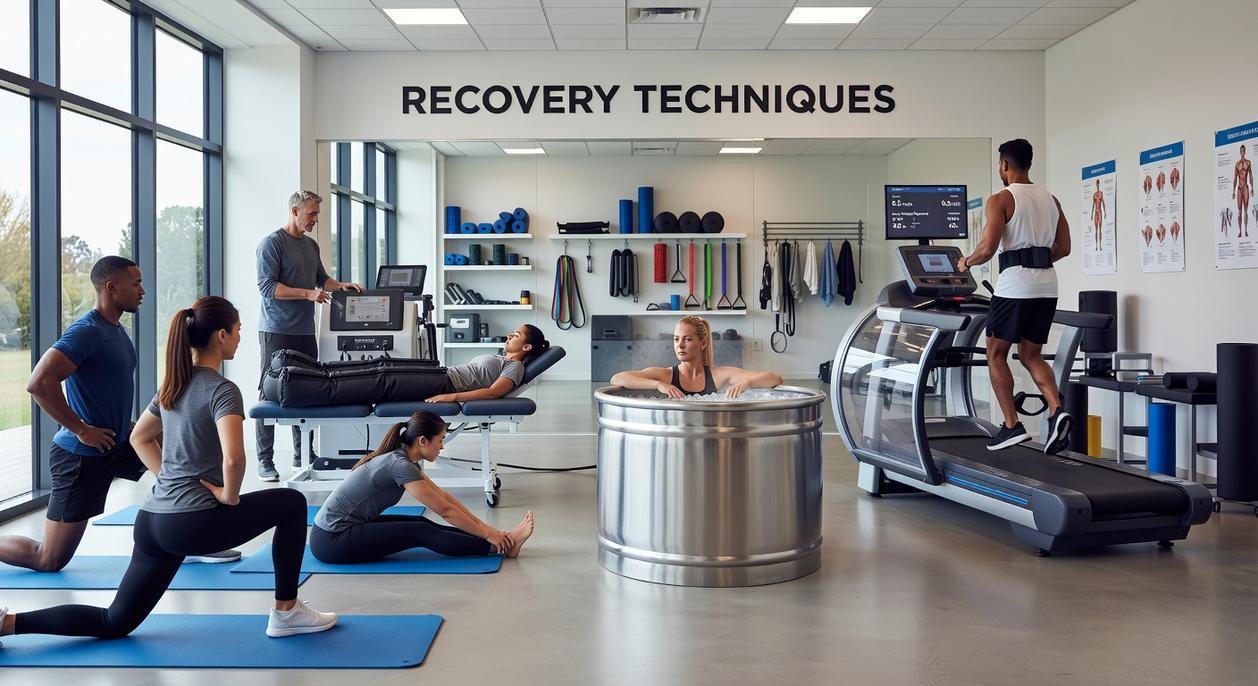
A few years ago, I tweaked my hip during a heavy squat session. Not dramatic—just enough to make every step feel like my joints were negotiating a peace treaty. That’s when I stopped treating mobility as optional.
Dynamic stretching—controlled, moving stretches like leg swings and arm circles—became my reset button. In an active recovery context, these drills increase circulation (blood flow to working tissues) and improve joint range of motion, meaning how far a joint can move without strain. Research shows dynamic warm‑ups can enhance performance and reduce injury risk compared to static stretching alone (Behm & Chaouachi, 2011).
Post-workout, I switch to static stretching—holding a muscle in a lengthened position for 20–30 seconds. It doesn’t magically “lengthen” muscles permanently (a common myth), but it can reduce feelings of tightness and support flexibility over time.
Self-myofascial release—using foam rollers or massage balls—targets trigger points, those tender knots that refer discomfort elsewhere (yes, that shoulder ache might start in your back). Roll slowly, pause on sore spots, and breathe.
Finally, Precision Strength Protocols focus on slow, controlled reps that restore joint function rather than build max strength. Think of them as tune-ups before your 20 minute workouts that deliver maximum results (pro tip: control beats speed every time).
Daily Efficiency Hacks for Consistent Recuperation
Recovery doesn’t have to mean an hour on a foam roller. Enter Momentum Moments—short, intentional 5–10 minute movement blocks sprinkled throughout your day. Research shows that brief bouts of light activity improve circulation, glucose control, and reduce stiffness from prolonged sitting (Mayo Clinic, 2023). In other words, small inputs compound.
Think of these as Daily Fitness Efficiency Hacks:
- A 7-minute walk after meals to support digestion and stabilize blood sugar (Harvard Health notes post-meal walking lowers glucose spikes).
- Desk-side mobility flows during work breaks to reduce musculoskeletal discomfort.
- Bodyweight squats while waiting for coffee (yes, your brew time just became leg day).
These active recovery strategies keep your body primed without draining energy reserves. Studies in the Journal of Sports Science & Medicine show light movement accelerates lactate clearance, enhancing recuperation.
Hydration and nutrient timing amplify results: fluids maintain plasma volume, and protein within two hours supports muscle repair. Pro tip: stack a Momentum Moment right after meals to make recovery automatic.
Integrating Active Recuperation into Your Lifestyle
I used to treat rest days like a Netflix marathon (zero movement, maximum snacks). But the soreness lingered, and my progress stalled. The shift happened when I embraced smart, intentional movement instead of total stillness.
Effective recuperation isn’t about doing nothing. It’s about supporting your body’s repair cycle with active recovery strategies that keep blood flowing and joints mobile.
If you feel stuck in soreness or plateau mode, try this:
- Schedule one 10-minute Momentum Moment this week.
- Add one 20-minute low-impact session on your next rest day.
Small moves. Big momentum. Consistency follows.
Build Momentum That Lasts
You came here to create a fitness routine that actually fits your life — not one that burns you out in two weeks. Now you understand how Momentum Moments, Zlase Fitness Fundamentals, Sudenzlase Wellness Routines, and Precision Strength Protocols work together to improve performance while protecting your time and energy.
The real pain point isn’t motivation — it’s inconsistency. It’s starting strong, then losing steam because your system is too complicated or too exhausting. By combining structured strength work with smart programming and active recovery strategies, you remove the friction that usually derails progress.
Daily Fitness Efficiency Hacks ensure you get results without spending hours in the gym. Precision keeps you improving. Recovery keeps you going. Momentum keeps you consistent.
Now it’s your move.
If you’re tired of wasting effort on routines that don’t deliver, it’s time to follow a proven, performance-driven system designed for sustainable progress. Start applying these principles today and build a routine that works as hard as you do. The faster you commit to a smarter approach, the faster you’ll see measurable, lasting results.