Staying ahead of fitness trends 2026 isn’t just about trying the next viral workout — it’s about understanding which methods actually improve strength, endurance, recovery, and long-term health. With new training technologies, hybrid workout models, and recovery-focused routines emerging faster than ever, it’s easy to feel overwhelmed or unsure where to focus your energy.
This article breaks down what’s truly shaping the future of fitness, from smarter strength protocols to efficiency-driven daily routines that maximize results without wasting time. We analyze performance data, evolving wellness research, and real-world training applications to separate lasting innovations from short-lived hype.
If you’re looking to upgrade your workouts, improve recovery, and build sustainable momentum, you’re in the right place. Here, you’ll discover which trends are worth adopting, how to apply them effectively, and how to align them with practical, results-driven training principles that support long-term performance and overall well-being.
Beyond the Hype: Your 2026 Fitness Blueprint
Every year brings a new miracle workout, diet, or gadget. It’s exhausting. In 2026, the shift is toward efficiency, personalization, and integration. Instead of punishing, one-size-fits-all plans, emerging physiology research supports smarter systems built around your data, schedule, and recovery needs.
- Wearable-driven heart-rate variability guides intensity
- Short, progressive strength blocks maximize muscle stimulus
- Mindfulness protocols lower cortisol and improve sleep
These features aren’t gimmicks; they translate into better adherence and faster recovery. The real fitness trends 2026 highlight sustainable progress, not burnout. When mental and physical training align, results compound efficiently.
Consistency wins.
The Rise of ‘Momentum Moments’: Micro-Workouts for Maximum Impact
Momentum Moments are short, 5–10 minute bursts of intense, targeted movement woven into your day. In simple terms, instead of waiting for a full gym session, you stack mini efforts that create forward motion—think of them as fitness espresso shots (quick, potent, no fluff).
So why do they matter? First, they interrupt a sedentary lifestyle, which research links to higher risks of heart disease and metabolic disorders (World Health Organization). Even brief activity spikes heart rate, stimulates metabolism, and increases blood flow to the brain. As a result, you often feel sharper and more energized without blocking off an hour.
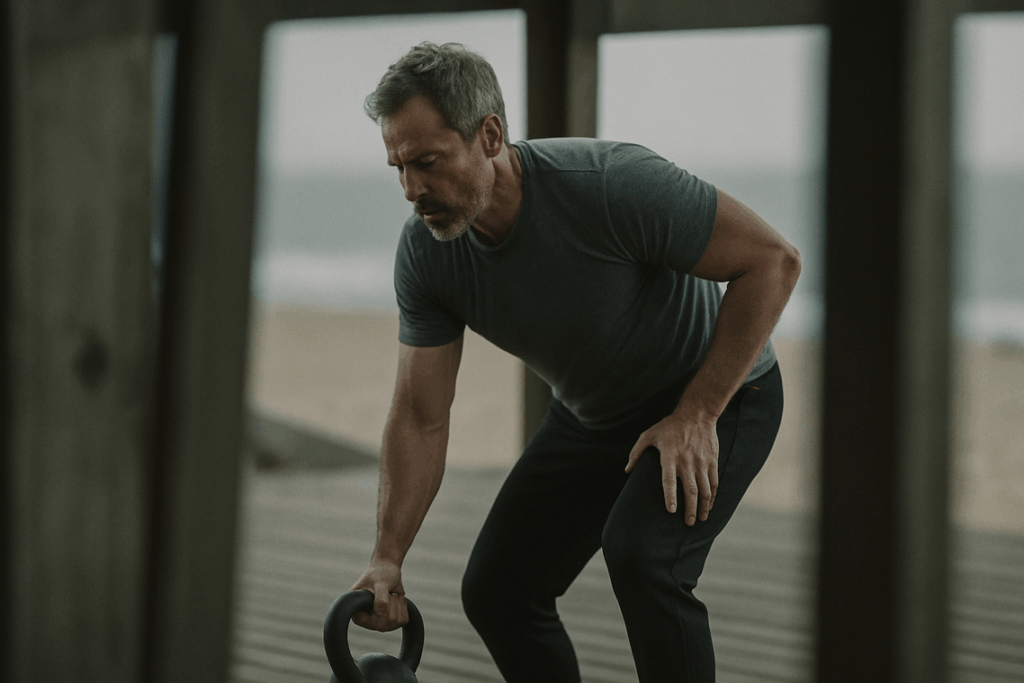
For example, try 5 minutes of kettlebell swings, a 10-minute stair climb, or a fast bodyweight circuit of squats, push-ups, and planks. At the office, brisk walking meetings count, too.
Some argue short workouts “don’t count.” However, consistency beats duration. Repeated daily bursts compound over time, aligning perfectly with fitness trends 2026 that favor efficiency and sustainability.
Small actions, repeated daily, build remarkable strength and resilience.
Back to Basics: The Return of Foundational Fitness
Complex workouts are losing their shine. In place, a quieter movement is rising: mastering the five human patterns your body was built for — push, pull, squat, hinge, and carry. Call them the FITNESS FUNDAMENTALS.
Why the shift? Because these patterns train muscles to work together, not in isolation. A squat improves how you stand from a chair; a carry reinforces posture under load (goodbye, slouched laptop shoulders). Research shows compound movements reduce injury risk compared to machine-only routines (ACSM).
Sample weekly structure:
- Day 1: Squat/Push — barbell squats, push-ups.
- Day 2: Hinge/Pull — deadlifts, rows.
- Day 3: Carry/Core — farmer’s carries, planks.
Progressive overload — gradually increasing weight or reps — turns basics into lifelong strength. Some argue advanced athletes need flashy variations. But real-world resilience comes from refining fundamentals (even superheroes still practice their origin moves). That’s why fitness trends 2026 spotlight simplicity with measurable results. Keep it simple, lift with intent, and build strength that lasts. PRO TIP: Track loads weekly.
Integrating Mind and Muscle: The New Wellness Routines
The biggest shift in fitness trends 2026 isn’t heavier lifts or longer runs. It’s integration. Workouts are no longer just about muscle—they’re about aligning the nervous system, attention, and emotional state alongside physical output. And that shift changes everything.
So what does this look like in practice?
- Breathwork during rest periods to lower heart rate intentionally.
- Setting a daily intention before your first rep (focus, patience, resilience).
- Mindful cool-downs that slow movement and anchor awareness in the body.
In other words, you train strength and self-regulation at the same time.
The payoff is tangible. Pairing mindfulness with strength work has been shown to reduce cortisol and improve focus (American Psychological Association). That means better recovery, sharper concentration, and a more sustainable relationship with exercise. Instead of chasing exhaustion, you build control. And control compounds.
To start, try this: after your workout, spend three minutes in slow nasal breathing—inhale for four, exhale for six. This simple shift nudges your body from “fight or flight” into “rest and digest,” accelerating recovery and reinforcing long-term consistency.
Smarter, Not Harder: Unlocking Precision Strength Protocols
Precision Strength Protocols are data-driven training methods designed to optimize every single rep—not just stack more plates on the bar. Instead of chasing heavier lifts, you focus on execution: how the weight feels in your hands, the tension stretching through the muscle, the steady exhale as you drive upward. Every rep has a purpose.
Some lifters argue that “heavy is heavy” and that tracking metrics overcomplicates things. They’re not entirely wrong—progressive overload (gradually increasing demand) still matters. But research shows velocity-based training (VBT)—measuring how fast you move a lift—can improve power while managing fatigue (Weakley et al., 2021). Wearables and apps now track bar speed, time under tension (how long a muscle works per set), and optimal rest periods.
No tech? No problem. Lower the weight slowly until your muscles tremble during the eccentric (lowering) phase. Pause at peak contraction and feel the fibers switch on like a dimmer hitting full brightness. The goal is maximum stimulus with minimal joint strain—less grinding, more precision. It’s one reason fitness trends 2026 favor smarter volume over burnout.
Mastering Your Minutes: Daily Fitness Efficiency Hacks
Last year, I realized I was spending more time scrolling than sweating. Between work and family, workouts kept sliding to tomorrow. The core problem is simple: time feels scarce. But efficiency beats duration.
First, workout stacking changed everything. Pair a push-up with a dumbbell row, or squats with overhead presses. By moving between opposing muscles without rest, you create supersets or circuits. Research shows they maintain intensity while cutting time. Would you rather grind for an hour or finish strong in thirty?
Next, the one-tool workout keeps things tight. A kettlebell can power swings, goblet squats, presses, and rows in under 20 minutes.
Finally, pre-planning beats decision fatigue—write tomorrow’s session tonight. It aligns with fitness trends 2026.
Building Your Future-Proof Fitness Plan Today
The fitness trends 2026 playbook is simple: efficiency (hello, Momentum Moments), foundational strength, holistic wellness, and precision. Not flashy—just effective (like meal prepping, but sweatier).
| Trend | Try This Week |
|---|---|
| Momentum Moments | 2 five-minute movement breaks |
| Foundational Strength | 2 full-body sessions |
Some argue rigid programs work best. Sure—if you’re a robot. The future is adaptable and personal. Pick one strategy today and test it. Your future self will high-five you (probably with sore arms).
Take Control of Your Results in 2026
You came here to understand where training is headed and how to align your routine with the most impactful fitness trends 2026 has to offer. Now you have the clarity to move forward with purpose instead of guessing what works.
The real frustration isn’t a lack of motivation — it’s wasting time on workouts that don’t deliver measurable progress. Falling behind evolving methods can stall strength gains, drain energy, and leave you questioning your effort.
The solution is simple: train with intention, follow proven performance frameworks, and adapt early to the strategies shaping fitness trends 2026. When you combine momentum-based programming, precision strength protocols, and efficient recovery systems, your results compound faster and more sustainably.
Don’t let another year pass with inconsistent progress. Join thousands who are already upgrading their routines with structured, performance-driven systems designed for real-world efficiency. Start implementing smarter training today and take control of your strength, stamina, and long-term results now.