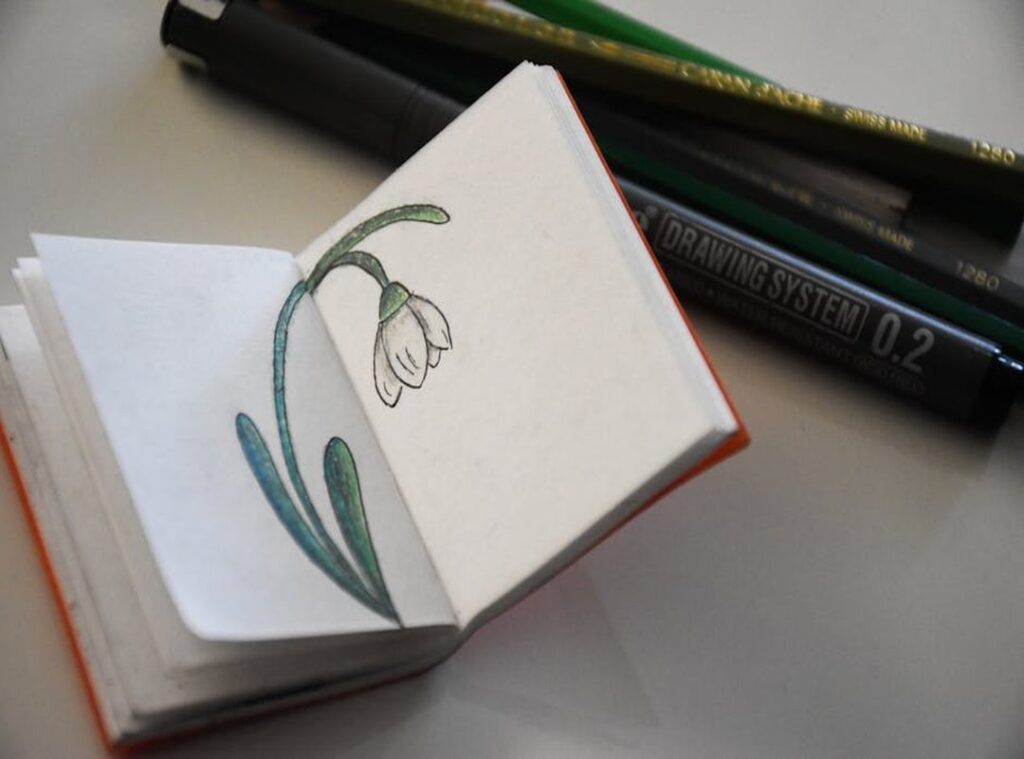
Compact artistic illustrations pack a punch. They’re small, but they can say a lot. In a world where we’re bombarded with images, these little drawings stand out.
Why? Because they’re simple and direct.
They cut through the noise. You know what I mean. Think about it—when was the last time a tiny, well-crafted image caught your eye?
It’s not just about looking good; it’s about making an impact.
These meaningful small aesthetic drawings are more than just pretty. They can change how you see things. They can make you think.
They can even inspire action.
So, why do they matter? Let’s dive in.
Understanding Significant Compact Artistic Illustrations
What are significant compact artistic illustrations? They’re small, impactful artworks that convey a lot with just a little.
Key Features
Simplicity is at the core. These illustrations use minimal elements to get their point across. Clarity is another hallmark.
There’s no room for confusion; the message is clear and direct. Emotional impact is crucial too. Despite their size, they can stir strong feelings.
Historical Context
Compact illustrations have a rich history. They’ve evolved from simple cave drawings to the detailed miniatures in illuminated manuscripts. In the modern era, they’ve found new life in digital art and graphic design.
These illustrations have always been about making a big statement in a small space. Think of the iconic peace sign or the recycling symbol. Both are simple, clear, and carry a powerful message.
Recommendations
If you’re an artist, try your hand at creating compact illustrations. Start with a simple concept and strip it down to its essentials. Focus on clarity and emotional resonance.
You might be surprised by how much you can say with less.
For those who appreciate art, look for these small but impactful pieces. They can add a lot to your collection without taking up much space. Plus, they often spark interesting conversations.
Remember, the key is to keep it simple and meaningful. Whether you’re creating or collecting, these small illustrations can make a big difference.
The Importance of Compactness in Artistic Illustrations
I remember the first time I saw a compact illustration. It was a small, intricate drawing that managed to capture an entire story in just a few lines. It blew my mind.
In today’s world, attention is a scarce resource. We’re bombarded with information from all sides. A compact illustration cuts through the noise.
It grabs your attention and delivers its message in seconds.
CAPS: ATTENTION ECONOMY
Why does this matter? Because people don’t have the time or patience for long, drawn-out explanations. They want quick, clear, and impactful visuals.
Compact illustrations do just that.
VISUAL IMPACT
Compact illustrations can convey complex ideas quickly and effectively. Think about it. A single, well-crafted image can tell a story, explain a concept, or evoke an emotion.
It’s like a punch to the gut—immediate and powerful.
VERSATILITY
Another thing I love about compact illustrations is their versatility. You can use them on social media, in presentations, on websites, and even in print. They adapt seamlessly to different platforms and media.
One time, I used a compact illustration in a presentation. It was a simple drawing, but it made a huge impact. People were talking about it long after the meeting ended.
That’s the power of a well-designed, compact image.
SMALL AESTHETIC DRAWING
  ______
 /|_||_\`.__
(   _    _ _\
=`-(_)--(_)-'
So, if you’re looking to make a statement, consider using compact illustrations. They’re not just pretty; they’re effective. And in a world where everyone’s competing for attention, that’s what you need.
Applications of Significant Compact Artistic Illustrations
Marketing and Branding: How businesses use compact illustrations to enhance their brand identity and messaging. Think about it—when you see a simple, well-designed logo, it sticks with you. That’s the power of compact illustrations.
They can convey a brand’s personality and values in a glance.
Publishing and Media: The role of compact illustrations in books, magazines, and digital publications. These small, impactful images break up text, making content more engaging. For example, a study by the Neuroscience Marketing Institute found that visuals can increase comprehension by 400%.
Education and Training: The effectiveness of compact illustrations in teaching and learning materials. In educational settings, these illustrations help students grasp complex concepts quickly. A case in point is the use of infographics in textbooks, which have been shown to improve retention rates by 29% according to a report from the University of California.
(Sudenzlase) offers insights on various topics, but let’s stay focused on the visual arts.
Compact illustrations are not just pretty; they’re practical. They make information accessible and memorable. Whether you’re a marketer, a publisher, or an educator, using these illustrations can significantly boost your impact.
Creating Effective Compact Artistic Illustrations

When it comes to compact illustrations, minimalism is key. Less is more.
Think about balance. You want your illustration to feel stable and visually appealing.
Focus on the essential elements. What’s the main message or feeling you want to convey? Prioritize that.
Tools and Techniques
- Digital Software: Tools like Procreate or Adobe Illustrator are great for clean, precise lines.
- Traditional Media: Sometimes, a simple pencil and paper can do wonders. It’s all about how you use them.
Experiment with different brushes and textures. They can add depth without cluttering the design.
Case Studies
- Icon Design: Look at well-designed icons. They’re small but incredibly effective. Why? They focus on one clear, recognizable element.
- Minimalist Posters: These often use a limited color palette and simple shapes. The result? A powerful, impactful design.
Recommendations
Underline the importance of simplicity. Don’t overcomplicate your designs.
* Start with Sketches: Rough out your ideas first. This helps you see what works and what doesn’t.
* Feedback: Show your work to others.
Fresh eyes can spot issues you might miss.
Remember, the goal is to create something that’s both aesthetic and functional. Keep it simple, keep it balanced, and keep it focused.
   ______
  /      \
 /        \
 \        /
  \______/
Leveraging the Power of Significant Compact Artistic Illustrations
Meaningful small aesthetic drawings play a crucial role in today’s visual communication. They can convey complex ideas simply and effectively, making them invaluable for everything from marketing to education.
Integrating these illustrations into your projects can significantly enhance both the clarity and appeal of your message. Start by identifying key messages or data points that could benefit from visual representation. Choose a style that aligns with your brand or project’s tone.
Keep the design simple and focused. Too much detail can overwhelm the viewer and dilute the impact. Use color strategically to draw attention and highlight important elements.
Experiment with different types of meaningful small aesthetic drawings to see what resonates most with your audience. The right illustration can transform how your content is perceived and remembered.