
If you’re looking to boost performance, build strength efficiently, and feel better in your body every single day, you’re in the right place. This article is designed to help you cut through fitness noise and focus on what actually works—simple, science-backed strategies that improve energy, sharpen focus, and maximize results without wasting time.
We’ll break down practical Momentum Moments that keep you consistent, foundational fitness principles that drive long-term progress, and precision strength methods that help you train smarter—not longer. You’ll also learn daily efficiency hacks, including how hydration for energy plays a measurable role in endurance, recovery, and mental clarity.
Our approach is grounded in proven training principles, evidence-based wellness practices, and real-world application. Every recommendation is built around sustainability, performance optimization, and results you can feel.
By the end, you’ll have a clear, actionable framework to improve strength, support recovery, and elevate your overall fitness routine with purpose and precision.
Every day around 3 p.m., the slump hits. You reach for coffee, maybe a pastry, blaming late nights or skipped carbs. However, in most cases, the real culprit isn’t sleep debt or calories; it’s dehydration.
After years of dialing in wellness routines—from macro tracking to Zone 2 conditioning—I’ve found the simplest lever is also the most ignored: precise fluid balance. Even mild dehydration, just 1–2% body weight, can impair cognitive performance (Journal of Nutrition, 2012).
So instead of another latte, try hydration for energy. Start your morning with 16–20 ounces of water, add electrolytes, and schedule refills like meetings. Finally.
The Science: How Dehydration Drains Your Energy
Let’s start at the cellular level. Your mitochondria—the tiny “power plants” inside each cell—use water to help convert nutrients into ATP (adenosine triphosphate), the body’s main energy currency. Without enough water, this process becomes less efficient. Think of it like trying to run a hydroelectric plant during a drought (spoiler: output drops). If you want steady energy, don’t wait until you’re thirsty—drink consistently throughout the day.
Next, consider blood volume. Even mild dehydration thickens your blood, which forces your heart to work harder to circulate oxygen. As a result, your brain and muscles receive less of the fuel they need. Studies show that a 1–2% drop in body water can impair physical performance and cognitive function (Journal of Nutrition, 2012). Keep a water bottle within reach during work or workouts to prevent this subtle drain.
Then there’s cognitive fog. Research demonstrates that slight dehydration reduces focus, short-term memory, and decision-making ability (American Journal of Clinical Nutrition, 2011). Your brain interprets this inefficiency as fatigue.
Finally, water helps flush metabolic waste like urea and creatinine. When these build up, you feel sluggish. Prioritize hydration for energy by aiming for pale-yellow urine—a simple, reliable gauge (pro tip).
Your Personalized Hydration Blueprint: How Much Do You Really Need?
For years, we’ve heard the same advice: drink eight glasses of water a day. Simple, catchy—and often wrong. The “8×8 rule” assumes everyone has identical needs. But hydration isn’t one-size-fits-all; it’s bio-individual, meaning your intake should match your body and lifestyle.
A smarter baseline? The body weight formula. Take your weight in pounds and divide it in half. That number is how many ounces of water you should aim for daily. So a 160‑pound person starts at 80 ounces. It’s not perfect science, but it’s practical and easy to remember (and far better than guessing).
Some argue thirst alone is enough. After all, your body sends signals, right? True—but thirst is a lagging indicator, meaning it shows up after mild dehydration begins. Research from the National Academies of Sciences notes fluid needs vary widely by individual and activity level.
Now layer in lifestyle adjustments.
Exercise Intensity & Duration: Weigh yourself before and after workouts. For every pound lost, drink 16–24 ounces of fluid. That replaces sweat loss efficiently.
Climate & Environment: Heat and humidity increase sweat rates. Altitude accelerates respiratory fluid loss. In both cases, increase intake gradually and monitor urine color (pale straw is ideal).
Diet: Caffeine and alcohol act as mild diuretics, increasing fluid excretion. High-sodium foods pull water into the bloodstream, raising needs. Balance each with extra water.
Still skeptical? Consider how hydration for energy impacts focus and endurance—studies show even 1–2% dehydration can impair performance (American College of Sports Medicine).
Pro tip: Pair your intake with daily routines or even your breathing techniques to reduce stress and boost performance to build consistency.
Strategic Hydration: Timing Your Intake for Maximum Energy
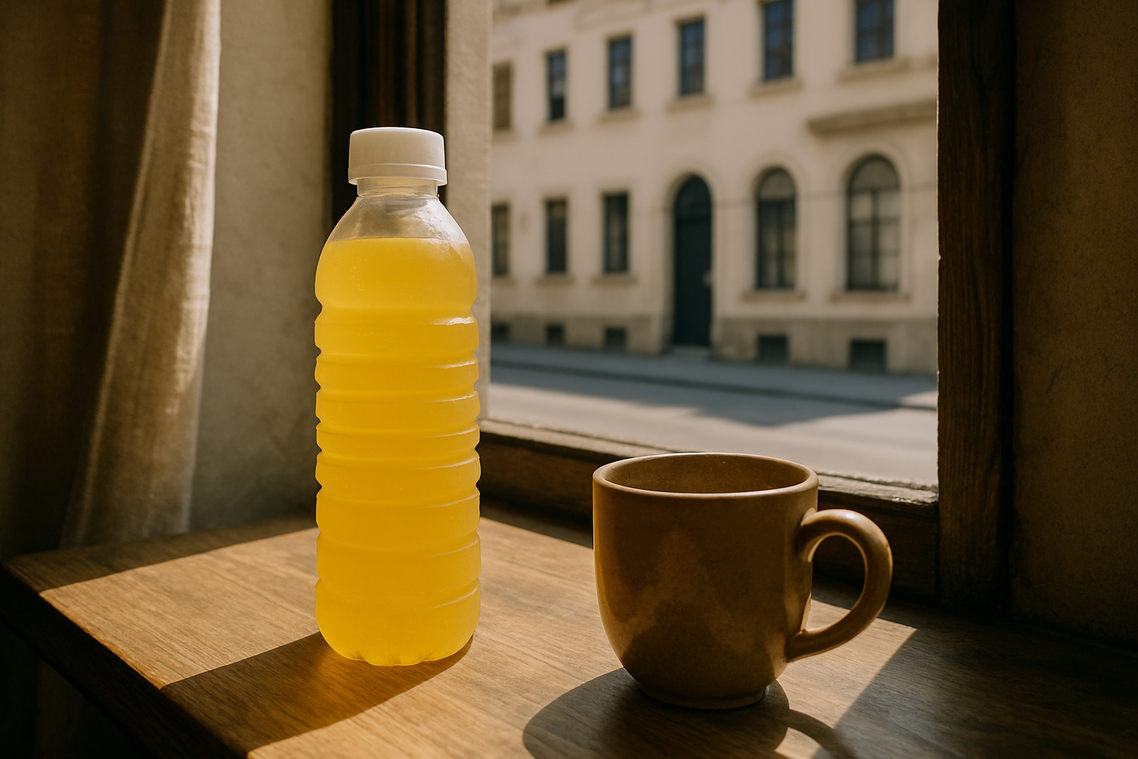
A few years ago, I used to wake up groggy, shuffle to the kitchen, and reach straight for coffee. By 10 a.m., I’d crash hard (the kind where even emails feel personal). What changed? Not my workload. Not my sleep. Just 16–20 ounces of water the moment I woke up.
The Morning Momentum Kickstart
After 7–8 hours without fluids, your body is mildly dehydrated. Dehydration simply means your body lacks the fluid it needs for normal function. Starting the day with water helps restore blood volume and supports metabolism—the process by which your body converts fuel into energy (Popkin et al., 2010). Think of it as turning the lights back on.
The “Sustain, Don’t Flood” Principle
It’s tempting to chug a giant bottle at noon and call it a win. I’ve tried that. All it did was send me sprinting to the restroom. Instead, sip consistently. Small, steady intake keeps plasma levels stable and supports hydration for energy without overwhelming your system. Imagine topping off a car’s gas tank gradually rather than overfilling it.
Pre-Workout Priming
With the Precision Strength Protocol, hydration starts 1–2 hours before training. Muscles are about 75% water, and even slight dehydration can impair performance (Sawka et al., 2007). When I hydrate early, my lifts feel smoother and endurance steadier.
Daily Efficiency Hacks
Use a marked bottle. Set subtle reminders. Try “habit stacking”—drink water before every meal. Pro tip: keep a glass by your bed so momentum starts before your phone does. Small cues, big payoff.
Beyond Water: When to Add Electrolytes for Peak Performance
Electrolytes are minerals—sodium, potassium, and magnesium—that regulate fluid balance, nerve signals, and muscle contractions. Think of them as your body’s internal wiring and plumbing working together (yes, it’s less glamorous than a sports drink ad).
For most days or workouts, water is enough. But I recommend adding electrolytes when:
- Workouts exceed 60 minutes
- You sweat heavily
- You train in hot, humid climates
Prioritize food first: bananas, avocados, leafy greens, yogurt, and meals. Use hydration for energy strategically, not constantly. Pro tip: match intake to sweat loss, not trends.
Your energy crashes aren’t random. I learned that the hard way. For years, I blamed long hours, bad luck, even motivation. The real issue? Chronic dehydration. I kept chasing coffee refills instead of fixing the foundation. Sound familiar?
Consistent, unexplained fatigue often improves with hydration for energy. Not another stimulant. Not a new supplement. A system.
Here’s your 3-Step Action Plan:
• Calculate your personal daily water target right now.
• Drink one full glass immediately.
• Set a recurring reminder for tomorrow.
Temporary boosts fade. Consistency compounds. I ignored that lesson for years. Don’t repeat my mistake. Start today.
By prioritizing hydration as part of your daily routine, you not only boost your energy and focus but also lay the groundwork for overall fitness, as explored in our article on Physical Condition at Twspoonfitness – for more details, check out our Physical Condition Twspoonfitness.
Build Momentum That Lasts
You came here looking for a smarter, more sustainable way to improve your fitness without wasting time or burning out. Now you understand how Momentum Moments, Zlase Fitness Fundamentals, and Precision Strength Protocols work together to create real, measurable progress.
The frustration of inconsistent results, low energy, and scattered routines doesn’t have to continue. When you apply structured strength work, intentional recovery, and prioritize hydration for energy, you stop guessing and start progressing. Small, efficient actions compound into powerful long-term gains.
The next step is simple: put this into action today. Choose one routine, commit to it for the next seven days, and track your performance. If you’re serious about eliminating plateaus and maximizing every workout, follow our proven systems used by thousands of results-driven individuals who refuse to settle for average.
Stop spinning your wheels. Start training with precision. Take control of your routine now and turn daily effort into unstoppable momentum.