
If you’re looking to build real strength, improve performance, and stop wasting time on workouts that don’t deliver, you’re in the right place. This article breaks down how data-driven strength training can help you train smarter, recover better, and see measurable progress without guesswork.
Many people follow generic routines that ignore individual capacity, recovery rates, and progression metrics. The result? Plateaus, burnout, or inconsistent gains. Here, we focus on practical frameworks rooted in performance tracking, progressive overload principles, and efficiency-focused programming—so every session moves you closer to your goal.
Drawing on established strength science, performance analytics, and field-tested training protocols, this guide translates proven methods into actionable steps you can apply immediately. You’ll learn how to structure workouts, monitor key indicators, and refine your routine using clear performance data.
If your goal is sustainable strength, better energy, and consistent results, this guide will show you exactly how to get there with precision and purpose.
Plateaus don’t happen because you lack effort; they happen because you lack feedback. Traditional training is guesswork: lift heavier, add reps, hope something clicks. data-driven strength training flips that script. Instead of vibes, you track volume (sets x reps x load), rest times, rate of perceived exertion, and weekly progression. Option A: random workouts that feel intense but stall. Option B: measured adjustments based on trends. Unsurprisingly, studies show progressive overload with tracked variables improves strength outcomes (NSCA). So rather than training like Rocky in a warehouse, train like a strategist. With clear metrics.
Zlase Fitness Fundamentals: What Metrics Actually Matter?
If you’re still judging workouts by sweat alone, you’re missing the bigger picture. The real gains come from tracking what actually drives adaptation.
Start with the three core indicators. Volume Load (sets × reps × weight) measures total work performed. Increase it gradually, and you create a clear pathway for strength growth. Relative Intensity (percentage of your one-rep max, or 1RM) shows how heavy you’re lifting compared to your maximum ability. Meanwhile, Bar Velocity—the speed of the lift—reveals explosive power and fatigue levels in real time. Together, these form the backbone of data-driven strength training, giving you measurable progress instead of guesswork.
Next, refine with secondary metrics. Time Under Tension (TUT)—how long a muscle works during a set—directly influences hypertrophy. Longer tension often means greater muscle stimulus. Likewise, tracking Rest Periods helps manage fatigue and sustain output across sessions (yes, scrolling your phone counts against you).
However, performance data without recovery context is incomplete. Monitoring sleep duration, deep sleep percentage, and Rate of Perceived Exertion (RPE)—your subjective difficulty rating—connects effort to readiness. The payoff? Smarter programming, fewer plateaus, and consistent progress. Think Moneyball, but for your body.
Precision Strength Protocols: How to Collect Your Training Data
If you want progress you can repeat (and not just that one magical Monday lift), you need data. The question is: how much tech do you really need? The honest answer—it depends.
Low-Tech Methods: The Underrated Training Journal
First, don’t underestimate pen and paper. A training journal is simply a written log of your workouts. Basic? Yes. Powerful? Also yes.
Use this simple structure:
- Exercise
- Weight
- Reps
- Sets
- RPE (Rate of Perceived Exertion, or how hard the set felt on a 1–10 scale)
- Notes
For example, if your squat at 225 lbs felt like an RPE 9 when it “should” have been an 8, that’s useful context. Over time, patterns emerge. And while some argue journals are outdated in a digital world, research consistently shows that self-monitoring improves adherence and performance (American College of Sports Medicine, 2021).
Mid-Tech Solutions: Fitness Tracking Apps
Next, apps like Strong and Jefit automate calculations and generate historical charts. That’s convenient. You can see volume trends instantly instead of flipping pages.
However, there’s a tradeoff. Notifications, social feeds, and over-analysis can distract from the actual lifting (we’ve all checked our phone mid-set). I’m not entirely sure everyone benefits from constant data visibility—some lifters thrive on feel.
High-Tech Tools: Objective Performance Metrics
Finally, velocity-based training (VBT) devices like PUSH or Vitruve measure bar speed and power output. Bar velocity—the speed of the barbell during a lift—correlates with effort and fatigue (Weakley et al., 2021). This removes guesswork and supports data-driven strength training.
Still, the debate continues. Not all athletes need this precision. But if you’re applying progressive overload within structured cycles like periodization models explained for strength athletes, objective metrics can sharpen your decisions.
Pro tip: Start simple. Add tech only when your current system stops giving you answers.
From Numbers to Gains: Analyzing Your Data for Maximum Results
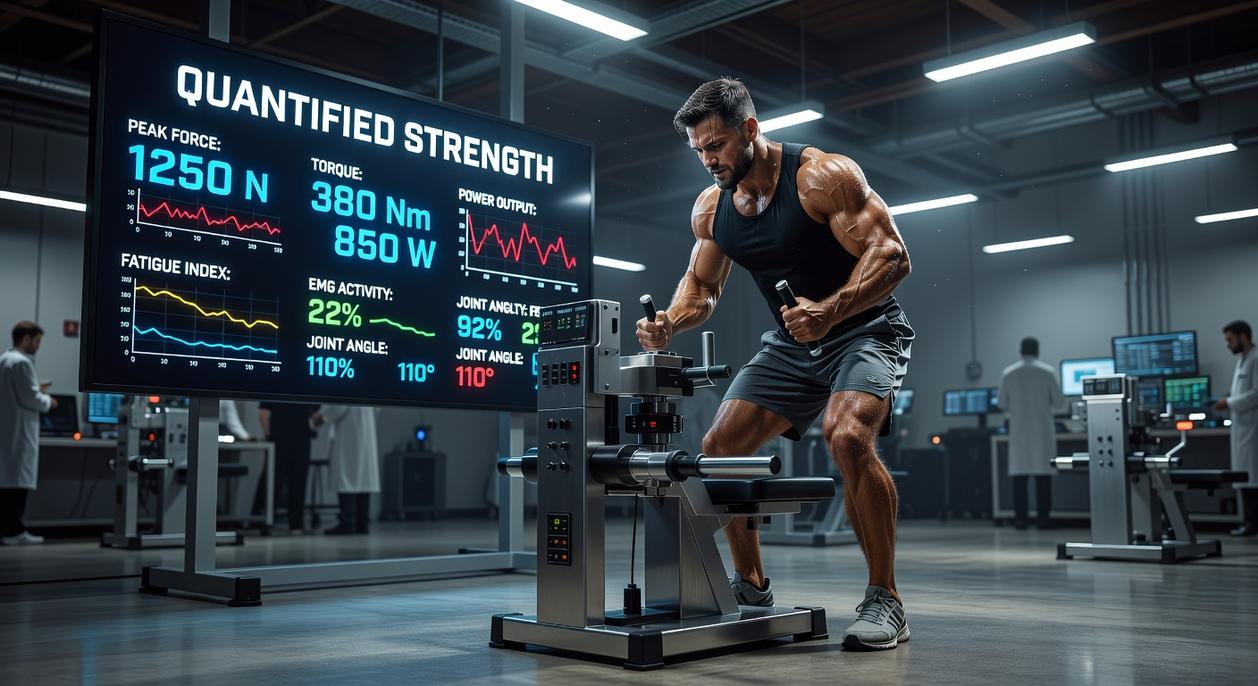
First, let’s talk about “Momentum Moments.” In simple terms, a Momentum Moment is a measurable upswing in your Volume Load (the total weight lifted across sets and reps). When that number trends upward week after week, you’re seeing progressive overload in action. As one lifter told me, “When my volume climbs steadily, I know I’m building, not guessing.” In other words, consistent increases signal that your programming is working.
However, not everyone agrees that tracking Volume Load matters. Some argue, “Just lift heavier and stop overthinking it.” Fair point. Yet without trends, how do you know whether you’re improving or just surviving workouts? Data removes the guesswork (and ego lifting).
Next, consider autoregulation with RPE (Rate of Perceived Exertion, or how hard a set feels) and bar velocity (how fast the bar moves). If RPE is high but velocity drops at a usual weight, that’s your cue to adjust. As one coach bluntly said, “Slow bar plus max effort equals back-off day.” Reducing load or volume prevents overtraining and keeps progress sustainable. This is where data-driven strength training shines.
Finally, breaking plateaus requires honesty. If your volume stagnates for 2–3 weeks, dig deeper. Are recovery metrics slipping? Is intensity too high? Maybe it’s time for a deload. Think of it like rebooting your system (yes, like turning it off and on again).
Pro tip: Small adjustments beat dramatic overhauls. Let trends guide decisions—not frustration.
Daily Fitness Efficiency Hacks: Small Data Wins for Big Progress
In serious data-driven strength training, tiny metrics separate plateaus from PRs (ask anyone grinding through winter bulk season in a cold garage gym).
- The 5% Rule: If warm-up sets feel unusually heavy, drop your top set by 5%. That sluggish bar speed is actionable data, not weakness.
- The Rest-Period Test: Track rest with a timer. Miss reps? Add 30 seconds next session and compare performance trends.
- The Post-Workout Note: Log a 1–10 session RPE to monitor systemic fatigue.
Small adjustments compound—like progressive overload for your decision-making.
Your Blueprint for Smarter, Stronger Lifts
Plateaus aren’t random—they’re measurable. Research shows progressive overload is a primary driver of strength gains (Schoenfeld, 2016). When you track performance, results improve because adjustments become objective, not emotional.
Intent Fulfillment: You now have a framework for data-driven strength training that replaces guesswork with measurable progress.
The Core Problem Solved: Blind training stalls progress. Tracking metrics like Volume Load (sets × reps × weight) creates clarity and direction.
Start Here:
- Track Volume Load for one compound lift
- Log weekly totals
- Increase gradually (2–5%)
Small, consistent data points compound into serious strength gains.
Build Stronger Results With Smarter Strategy
You came here to understand how to train with more purpose, structure, and measurable progress—and now you have the blueprint. From Momentum Moments to Precision Strength Protocols and Daily Fitness Efficiency Hacks, you’ve seen how small, intentional improvements compound into serious performance gains.
The real pain point isn’t effort. It’s wasted effort. Spinning your wheels with workouts that feel intense but deliver inconsistent results is frustrating. Without structure, progression, and recovery alignment, progress stalls.
That’s why data-driven strength training changes everything. When your workouts are guided by measurable progression, recovery awareness, and strategic overload, every session builds toward something bigger. You stop guessing. You start advancing.
Now it’s time to apply what you’ve learned. Audit your current routine. Track your lifts. Align your weekly structure with clear progression targets. If you’re serious about building strength efficiently and sustainably, follow proven Sudenzlase protocols trusted by performance-focused athletes who demand results.
Don’t settle for random workouts. Start training with precision today and turn every session into measurable progress.