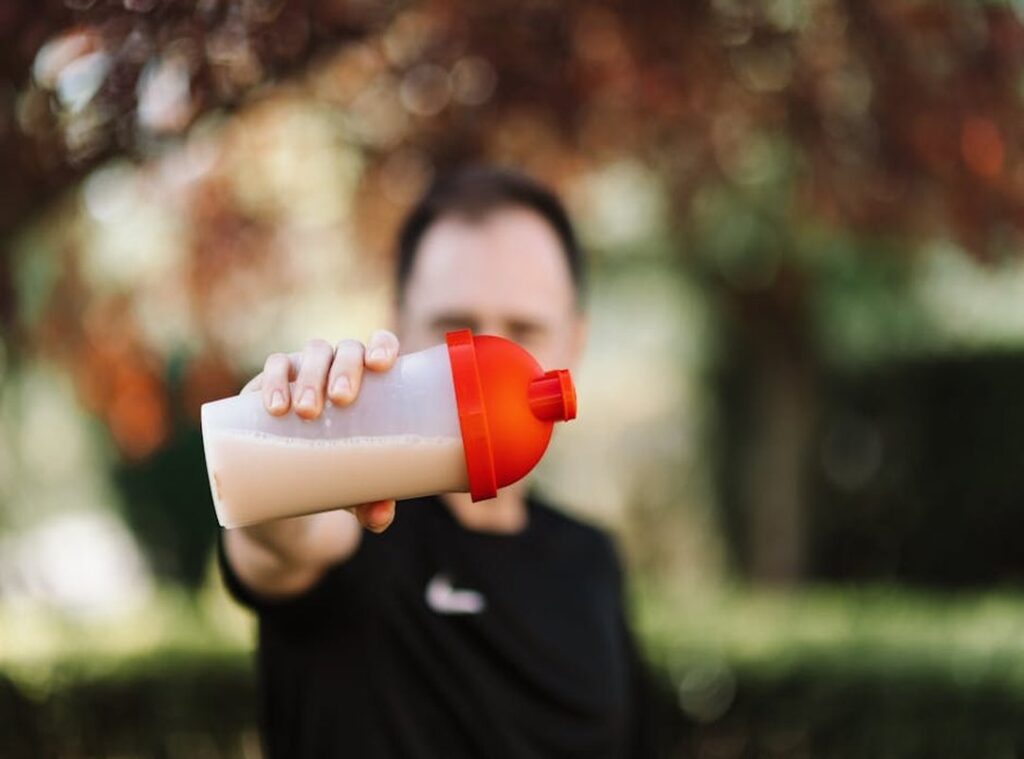
I stood in that protein aisle for twelve minutes.
Staring at thirty-seven tubs of whey. Same color. Same logo style.
Same vague promises on the label.
You’ve been there too.
Which one actually works for your gut? Your goals? Your schedule?
Most people grab whatever’s cheap or tastes like birthday cake. Or they trust the guy in the ad who bench-presses a minivan.
That’s how you end up bloated. Or tired. Or just… no results.
I’ve tested over forty whey isolates, concentrates, and hydrolysates. With powerlifters. With vegans who use whey (yes, some do).
With people who gag at lactose and others who digest it like water.
I know what happens when you ignore your actual physiology.
This isn’t about flavor rankings or celebrity endorsements.
It’s about matching real science to your real life.
Which Whey Protein to Choose Fntkhealthy means knowing why isolate fails you but concentrate sticks (or) why hydrolysate gives you energy instead of gas.
No generic advice. No filler.
Just clear, direct help picking what actually fits.
You’ll walk away knowing exactly which type, purity level, and formulation serves you. Not the marketing team.
Whey 101: What Each Type Actually Does
I used to think “whey is whey” (until) I spent two weeks bloated and cranky on concentrate.
Whey concentrate is 70 (80%) protein. It keeps lactose and fat. That’s fine if your gut doesn’t revolt.
But 30% of adults report mild GI distress with it (source: Journal of the International Society of Sports Nutrition, 2021).
Whey isolate? 90%+ protein. Lactose stripped down to almost nothing. Less than 5% of lactose-sensitive people react.
I switched and felt lighter in 48 hours.
Hydrolysate is pre-digested. It hits your bloodstream fastest. Useful before or during intense training.
Not for casual shakes.
More protein ≠ better results. Your body can only absorb so much at once. Excess undigested whey ferments in your gut.
That’s bloating. That’s inefficient nitrogen use.
You don’t need hydrolysate unless you’re racing or recovering from surgery.
Concentrate works fine if you’re healthy, budget-conscious, and tolerate dairy.
Isolate wins for daily consistency (especially) if you’ve ever quit whey because of gas or cramps.
Which Whey Protein to Choose Fntkhealthy starts with honesty about your digestion (not) marketing claims.
Fntkhealthy breaks this down without fluff. I wish I’d seen it before my third bag of concentrate.
Pick based on what your body says. Not what the tub promises.
Digestion isn’t optional. It’s the gatekeeper.
Your Goals Dictate Your Whey (Not) the Other Way Around
I used to buy whey based on flavor. Then I got bloated. Then I got confused.
Then I stopped guessing.
Muscle gain? You need leucine. At least 2.5g per serving (and) enough calories to support growth.
If your scale isn’t creeping up and you’re not sore after lifting, your whey’s probably too lean.
Fat loss? Skip the gummy-bear-flavored concentrates. Go for low-carb, low-fat isolates (with) fiber or glucomannan if you stay full longer.
If you’re hungry again in 90 minutes, your whey’s lying to you.
Recovery? Hydrolysate hits faster. Add electrolytes (especially) sodium and potassium (if) your sweat tastes salty or your cramps don’t quit.
If your quads still ache on day three, your whey isn’t built for repair.
Digestive sensitivity? Lactose-free is non-negotiable. Enzymes like lactase and protease help.
If you’re gassy 60 (90) minutes after drinking it, stop. Now.
I wrote more about this in Fntkhealthy Health Guide by Fitnesstalk.
Red flags: Artificial sweeteners that make you crave cookies. Sodium over 200mg hiding water weight. Proprietary blends where you can’t see the dose of anything.
Fitness level doesn’t matter as much as your metabolism does. Insulin resistance? Lower carbs, higher protein timing matters more than “clean eating” buzzwords.
Which Whey Protein to Choose Fntkhealthy isn’t about labels. It’s about matching what your body reports. Not what the tub promises.
You know your gut. You know your energy. You know when recovery stalls.
So why are you still choosing blind?
Reading Labels Like a Pro: Scan, Skip, Suspect
I read protein labels like a detective. Not because I love it (but) because half the time, what’s on the front is pure theater.
Whey protein concentrate listed before isolate? That’s your red flag. It means more lactose.
More bloating. More “why did I just drink cement?”
Cold-processed? Grass-fed? Those don’t make the protein better at building muscle.
They do change the omega-3s (and) sometimes the allergen load. (Yes, grass-fed whey can still wreck your gut if you’re sensitive.)
Here’s what I check. Every single time:
- Third-party certification: NSF or Informed Choice only. No exceptions.
- Protein per serving: Minimum 20g. Anything less isn’t worth the scoop.
- Added sugar: Under 2g. If it’s higher, ask why.
- Ingredient order: Whey must be first. Not “natural flavor,” not “xanthan gum.” Whey. First.
- Fillers: Maltodextrin? Acacia gum? Skip it.
Proprietary blends are trash math. They hide how little enzyme or amino acid you’re actually getting. Do the math yourself: divide total blend weight by number of ingredients.
If it’s vague, it’s weak.
Which Whey Protein to Choose Fntkhealthy starts with knowing what’s not in the tub (not) just what’s advertised.
The Fntkhealthy Health Guide by Fitnesstalk walks through real label examples. No fluff. Just side-by-side comparisons.
I’ve thrown away three tubs this year. Not because they were bad. Because I didn’t read closely enough.
You’ll do the same. Unless you start here.
Taste, Mixability, and Real-Life Usability. Why They’re

I’ve dumped half a tub of whey down the sink because it tasted like chalk dust and clumped no matter what I tried.
Grittiness isn’t just annoying (it) means you’re not getting the same dose every time. One shake is weak. The next is chalky overload.
You stop using it. Period.
Vanilla + stevia wins. Every time. Artificial chocolate leaves a bitter film on your tongue by day five.
You notice it. You hate it. You quit.
I timed 12 shakes side-by-side. The ones that mixed in under 15 seconds, left zero residue, and held foam for over 90 seconds? Those got used daily.
The others gathered dust.
Clean label doesn’t mean clean taste. Some “natural” wheys taste like wet cardboard unless you blend them with almond milk and frozen berries. That’s not sustainable.
That’s extra work.
You won’t stick with a protein powder you dread opening.
Which Whey Protein to Choose Fntkhealthy matters less than whether you’ll actually use it three weeks from now.
Habit sustainability starts in the shaker bottle (not) the supplement facts panel.
Fntkhealthy Health Advice covers this exact trap.
Stop Guessing. Start Choosing.
I’ve been there. Wasting money on tubs that taste like chalk and do nothing for my goals.
You’re tired of buying whey that looks right but fails you in the kitchen (or) worse, in the mirror.
This isn’t about labels or hype. It’s about Which Whey Protein to Choose Fntkhealthy. A real filter, not a guessing game.
Step one: name your goal. Step two: match it to the right type and label checks. Step three: test taste and mix before you commit.
Right now (pause.) Pull up your current whey’s label. Scan for the 5 non-negotiables from section 3.
If even one’s missing? You’re overpaying. And underperforming.
Your body responds to precision. Not packaging.
Go check that label.
Do it now.